Functional Exercise

& Rehabilitation

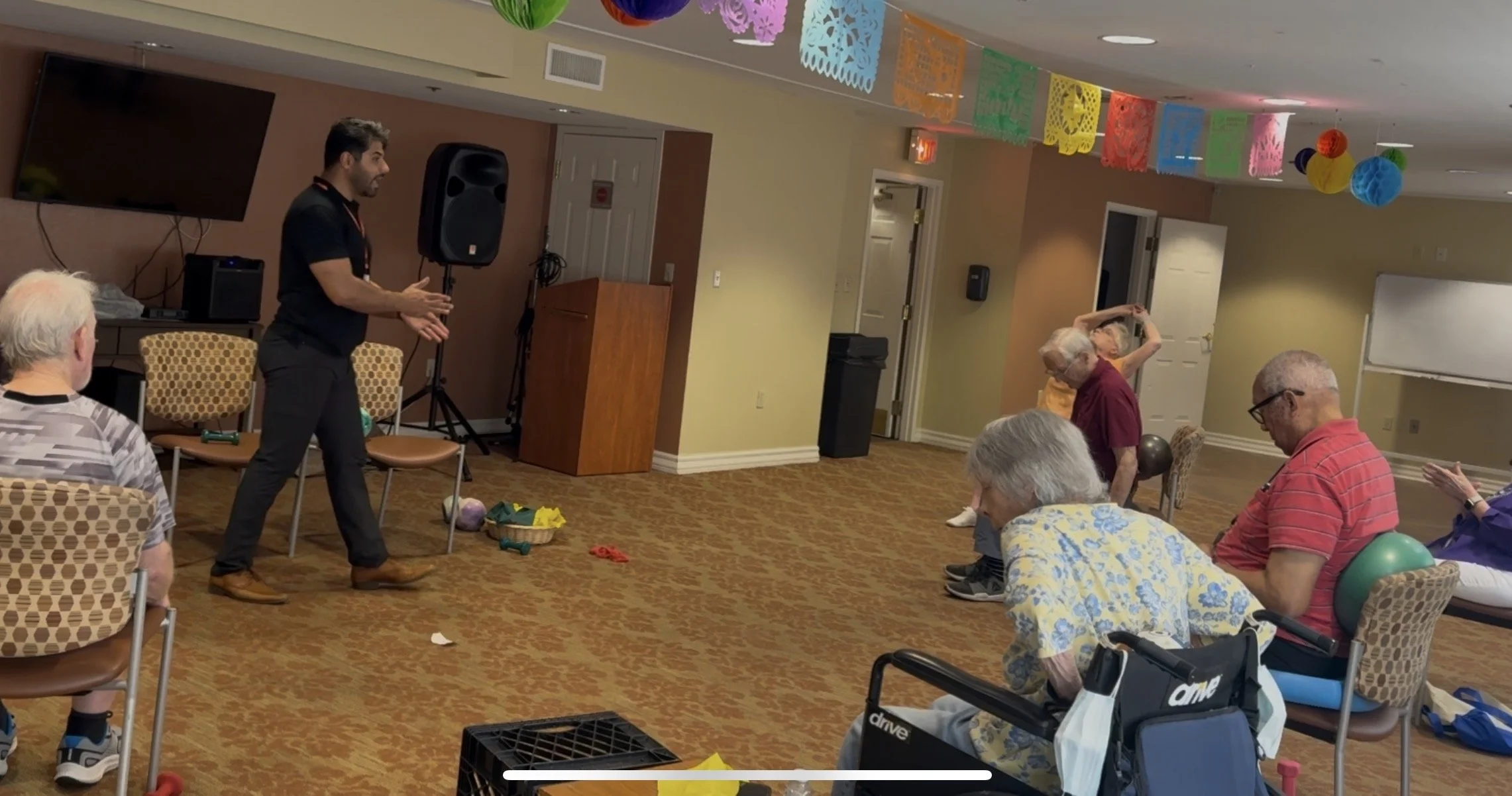
1. Modified Organized Exercise

and

2. Active Lifestyle

Personal Training

  • “A fundamental upper-body pattern involving moving a load away from the body or pushing one's own body weight away”

  • “Bringing an object toward the body's center or pulling the body toward a fixed point, acting as a crucial counterpart to pushing.”

  • “Vertical pushing movement that involves driving a load from the shoulders to a locked-out position overhead.”

  • “Driven by contracting the glutes and quadriceps, pushing through the heels to return to a standing position.”

  • “Forward bending at the hips while maintaining a neutral spine, primarily engaging the posterior chain”

Assessment 1hr 30min

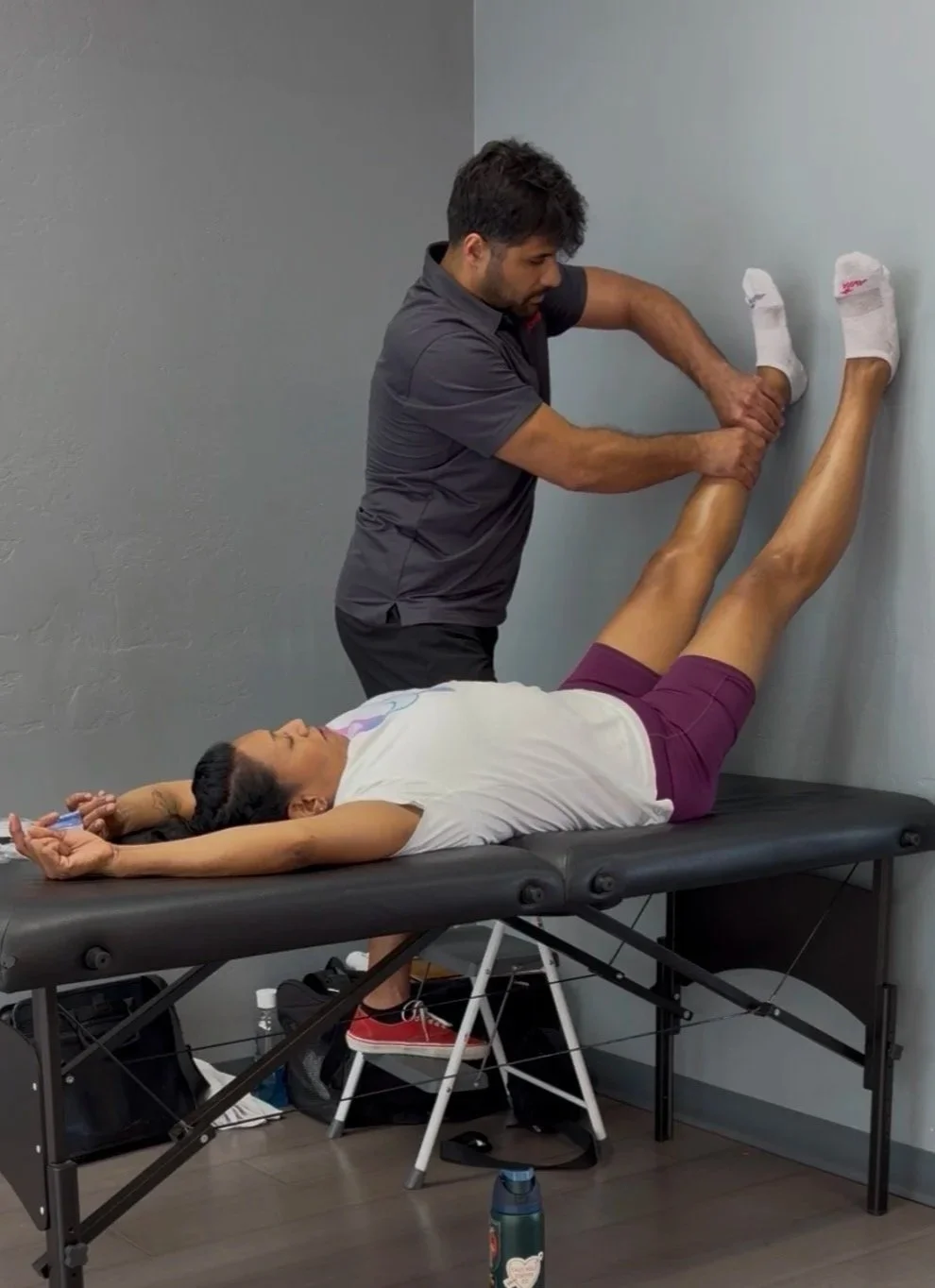
  • 50 Min Assisted Stretch Bodywork

  • Conduct Appropriate Performative Assessments

  • Conduct Modifications for Largest Barriers of Exercise

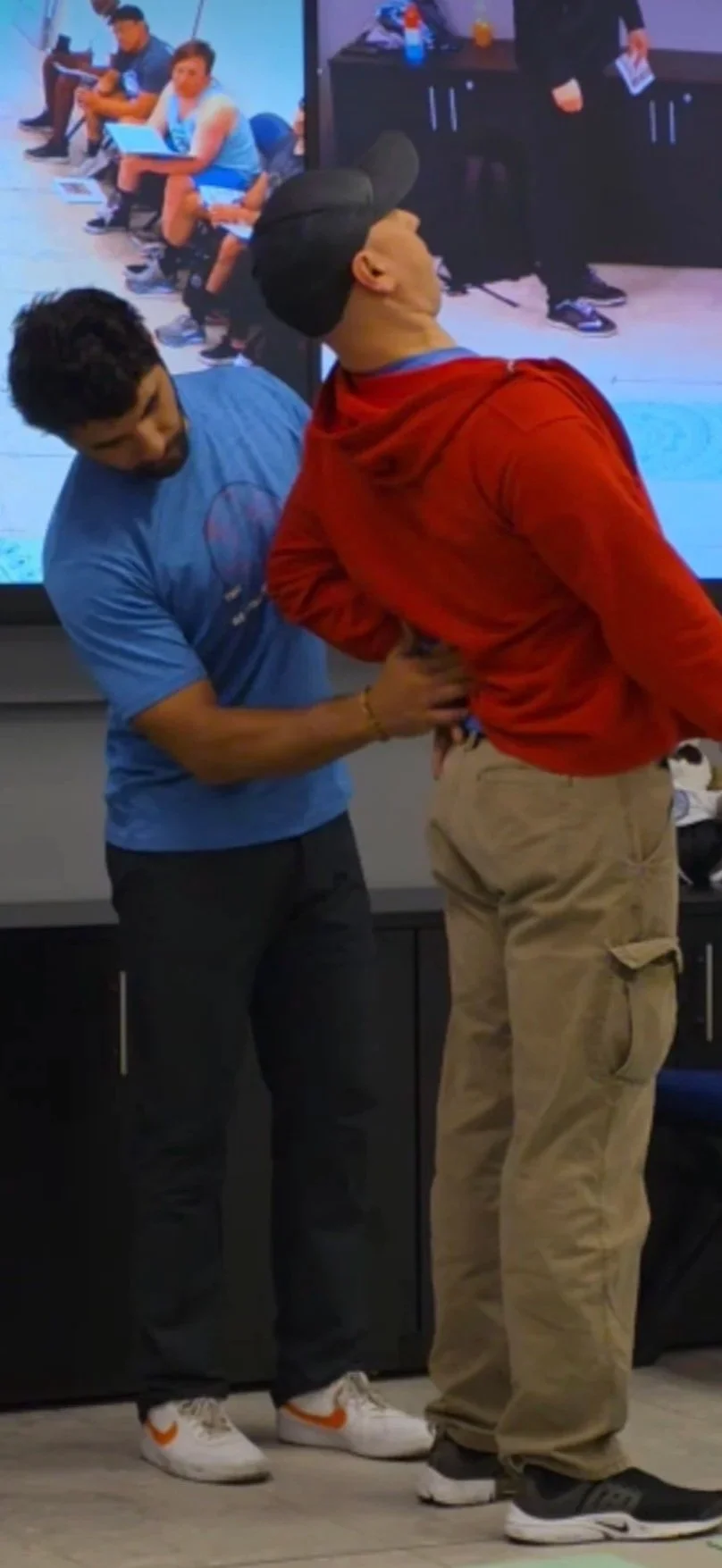
  • Conduct Movement Assessments

  • Conduct Lower Body Muscle Tests

  • Conduct Core Muscle Tests

Assisted Stretching

  • “The normal extensibility of soft tissues that allows for full range of motion of a joint.” NASM Textbook (APA 7th Ed.)

  • “The ability of the circulatory and respiratory systems to provide the body with oxygen during activity.” NASM Textbook (APA 7th Ed.)

  • “The structures that make up the lumbo-pelvic-hip complex (LPHC), including the lumbar spine, pelvic girdle, abdomen, and hip joint.” NASM Textbook (APA 7th Ed.)

  • “Defined as the ability to maintain one’s center of gravity within that person’s base of support.” (Pollock et al., 2000)

  • “Increasing the capability to efficiently recruit muscle fibers and distribute oxygen and blood to the proper areas in the body.” NASM Textbook (APA 7th Ed.)

  • “Is a useful and effective method of fitness training that stimulates muscular, neurological, connective tissue, and even cardiovascular fitness adaptations” NASM Textbook (APA 7th Ed.)

  • “Exercises that generate quick, powerful movements involving an explosive concentric muscle contraction preceded by an eccentric muscle action.”NASM Textbook (APA 7th Ed.)

Primary Demographics

Conditions Worked With

  • Ankle Dysfunction

  • Breast Cancer Survivors

  • Cervical Fusions

  • Chronic Low Back Pain

  • Diabetes

  • Frozen Shoulder and Shoulder Impingement

  • Hypertension

  • Obesity

  • Osteoporosis

  • Pelvic Floor Deficits

  • Peripheral Neuropathy

  • Total Hip Replacement

  • Total Knee Replacement

  • Transverse Myelitis

  • Wheelchair and Assisted Walker Users

  • Questions?

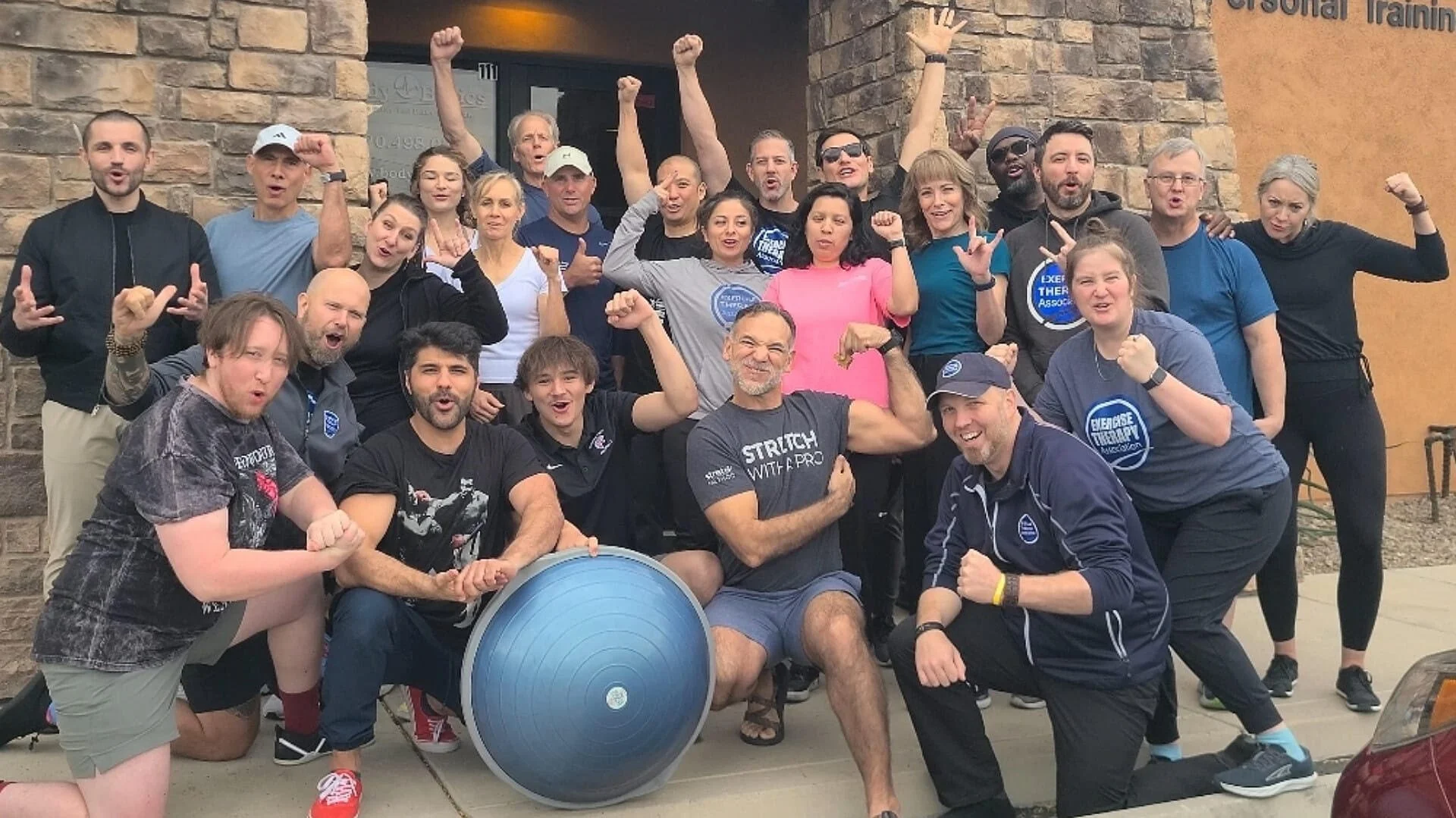
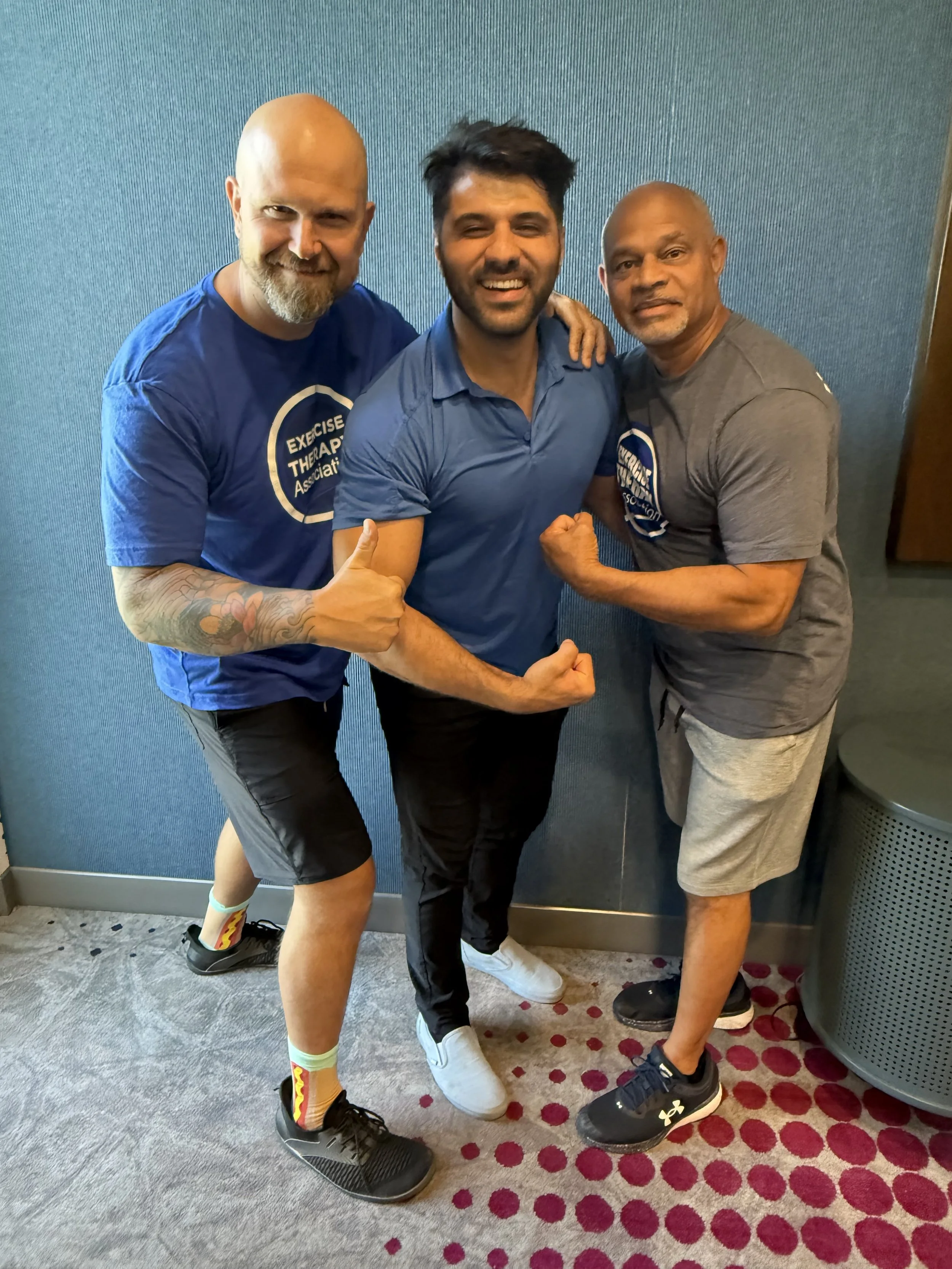
Group of diverse people celebrating outdoors, some flexing muscles, making fists, or cheering, in front of a stone and orange wall.